

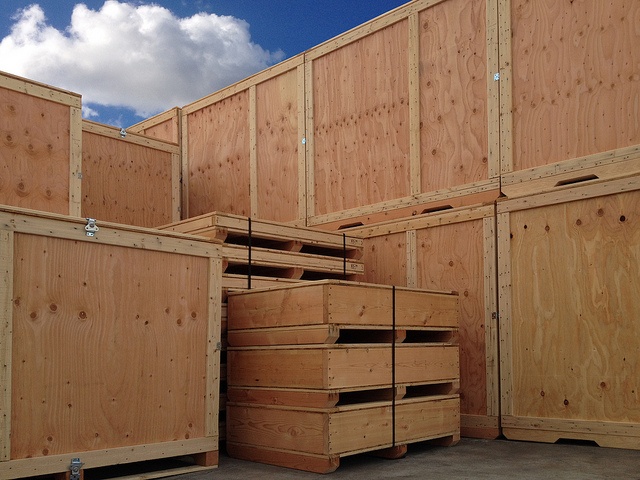
Before your product ever goes into a wood crate, there’s some important preparation that can make all the difference once it’s in transit.
At Valley Box, we’ve seen what happens when those details are overlooked. A little planning upfront can mean better protection, easier handling, and fewer surprises when your shipment arrives.
Here are five key steps to help make sure your product is ready to be packaged and shipped in a wood crate.
I've seen enough! I want to...


1. Confirm Your Product's Weight & Dimensions
Before a wood crate is designed or built, make sure you have accurate measurements for the product going inside it. Double-check the length, width, height, and weight, including anything that will be attached or packed with the product.
Accurate measurements help ensure the crate is built to fit properly, can safely support the load, and doesn't leave you paying to ship unnecessary space.
It sounds simple, but getting these details right upfront can prevent costly surprises later.
Watch our How to Measure a Part for Packaging Video
2. Determine the Shipping Method
How your product gets from point A to point B can have a big impact on how your crate should be designed.
Will it travel by air, ocean, or ground? Each method comes with different weight, size, handling, and packaging considerations. If your shipment is going overseas, you'll also need to account for customs requirements and regulations around wood crating.
For international shipments, heat-treated wood may be required to meet ISPM 15 requirements and avoid delays at customs.
Knowing the destination and transportation method upfront allows your crate to be designed for the journey, not just the product.
3. Describe Your Product
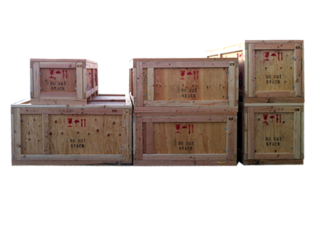
Before designing the crate, think beyond the product's basic dimensions. How does it need to be handled and protected?
Is it fragile, heavy, moisture-sensitive, temperature-sensitive, or easily damaged by vibration or impact? Are there specific lifting, orientation, or handling requirements?
Identifying these details early helps determine the right materials, interior protection, and crate design. It can also help identify any warning labels, handling instructions, or stencils that should be placed on the outside of the crate.
The better your wood crating team understands what’s inside, the better they can protect it on the outside.
4. Handling
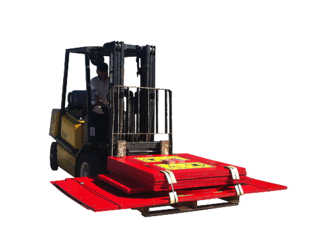
Your crate doesn't stop being useful once it leaves your facility. Think about what happens when it arrives.
Will the receiving team use a forklift, pallet jack, crane, or another method to move it? How long will it be stored before opening? Will the crate need to be opened and closed more than once, or reused for future shipments?
Understanding the receiving environment helps determine the right features and construction for the crate. A little planning here can make unloading, storage, and handling much easier for everyone on the other end.
5. Artwork
Your crate can do more than protect what's inside. The right markings can make it easier to identify, handle, and track your shipment from your facility to its final destination. 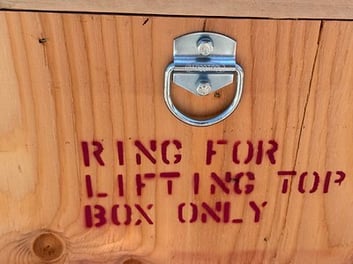
Think about what needs to be visible on the outside, such as your company logo, part numbers, orientation markings, handling instructions, or other shipping information.
Valley Box can create custom stencils and artwork to give your wood crate a clean, professional look while making important information easy to spot when it matters.
Not sure what your crate needs? Send us your product details and shipping requirements. We can help you figure out the right design, markings, and protection before it ships.